
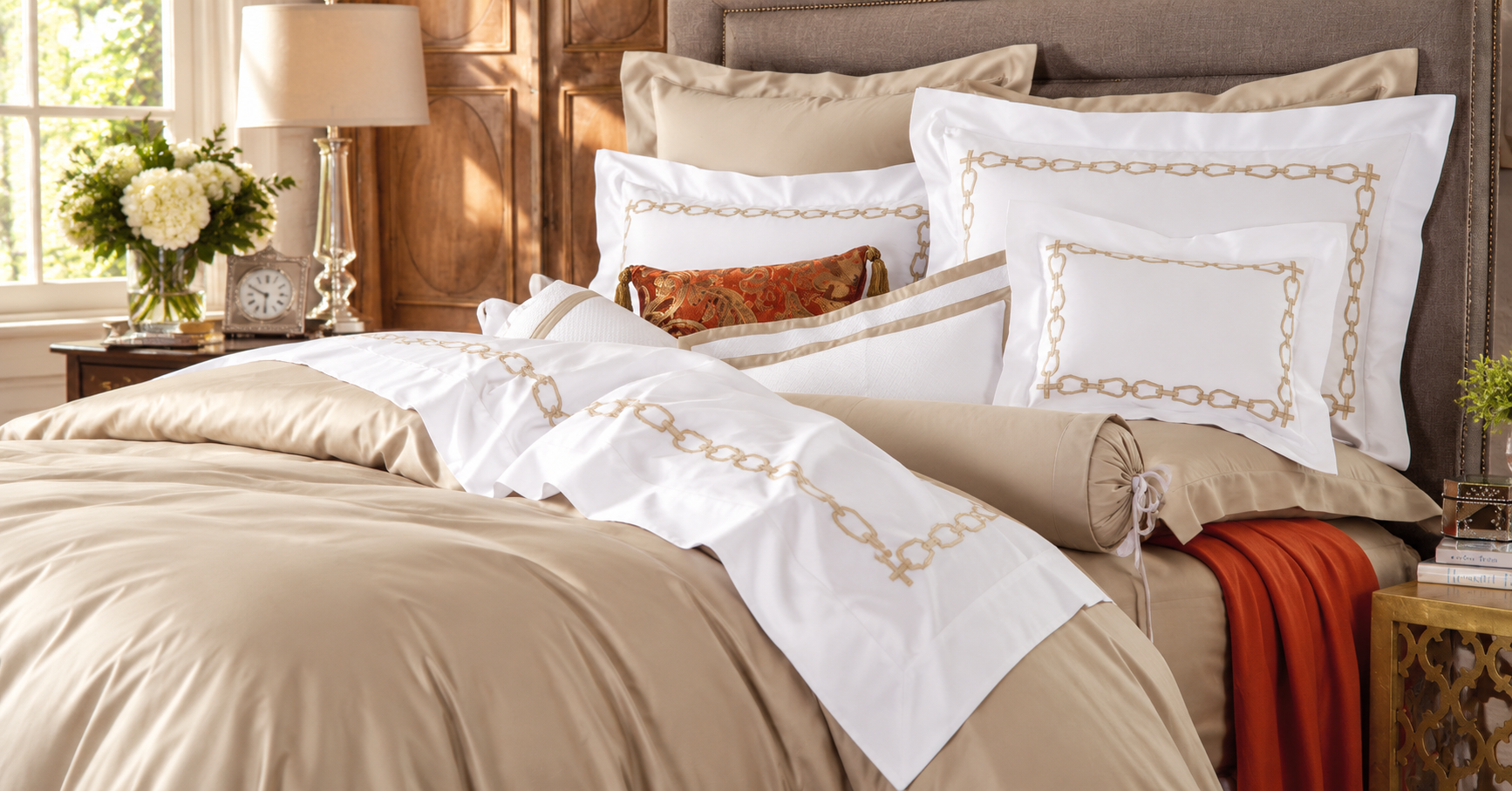
Often luxury has less to do with what something costs than with how it feels in your hands. A beautifully tailored jacket, an antique piece of furniture, a hotel towel that somehow feels better from the one at home. Often, you can recognize quality before you know the price. So, what creates that feeling?
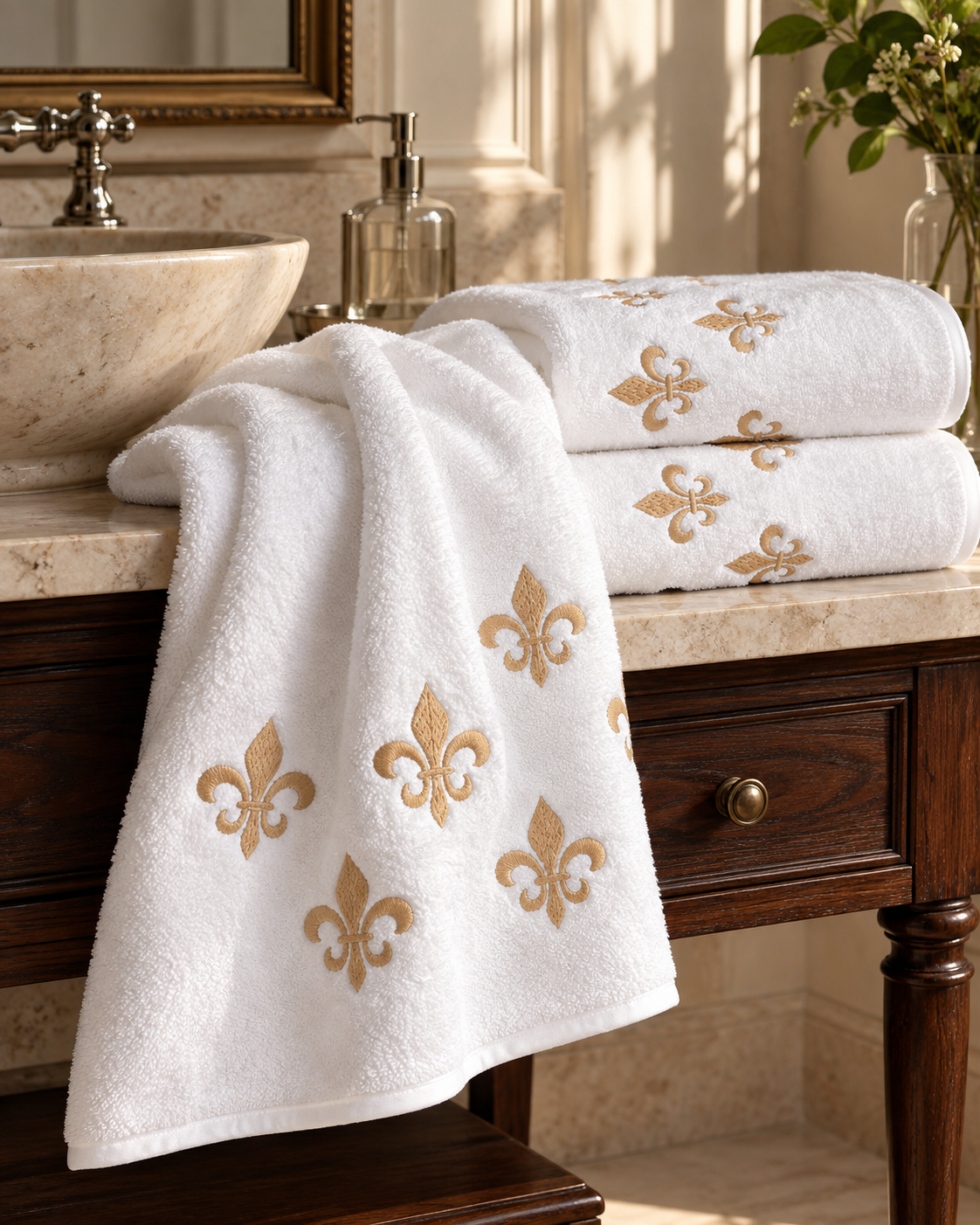
It’s rarely one thing. It’s a combination of weight, proportion, texture, finish, and craftsmanship—the details that communicate quality without calling attention to themselves. And nowhere is that more apparent than in the things we live with every day.
Weight: You Can Feel Quality
There’s something inherently satisfying about a substantial weight. A fabric with a little more weight feels differently. So does a towel that feels stronger in your hands. And though weight alone doesn’t make something luxurious, but it can be one of the first signals we register. It gives a material presence—and presence is part of what makes something feel considered.
Texture: Luxury Is Meant to Be Felt
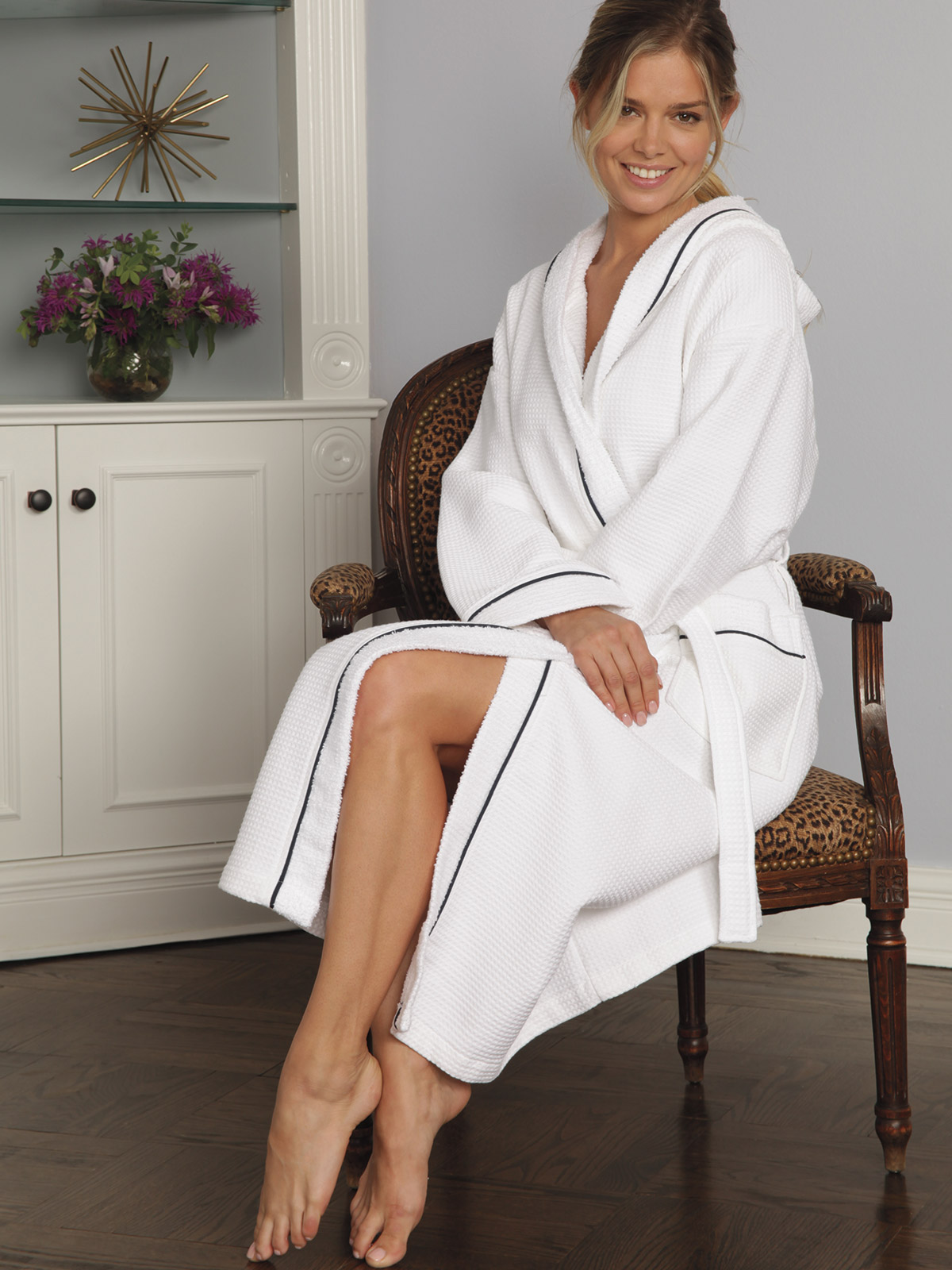
Texture is one of the most immediate ways we experience quality.
Smooth sateen, crisp percale, substantial linen, plush cotton terry—each has a distinct character. The difference isn’t simply visual. It’s something you discover the moment you touch it.
That’s why luxury textiles don’t need to be complicated. When the material itself has dimension, the experience does the talking.
Proportion: When Everything Looks Right
Sometimes luxury is simply a matter of getting the proportions right.
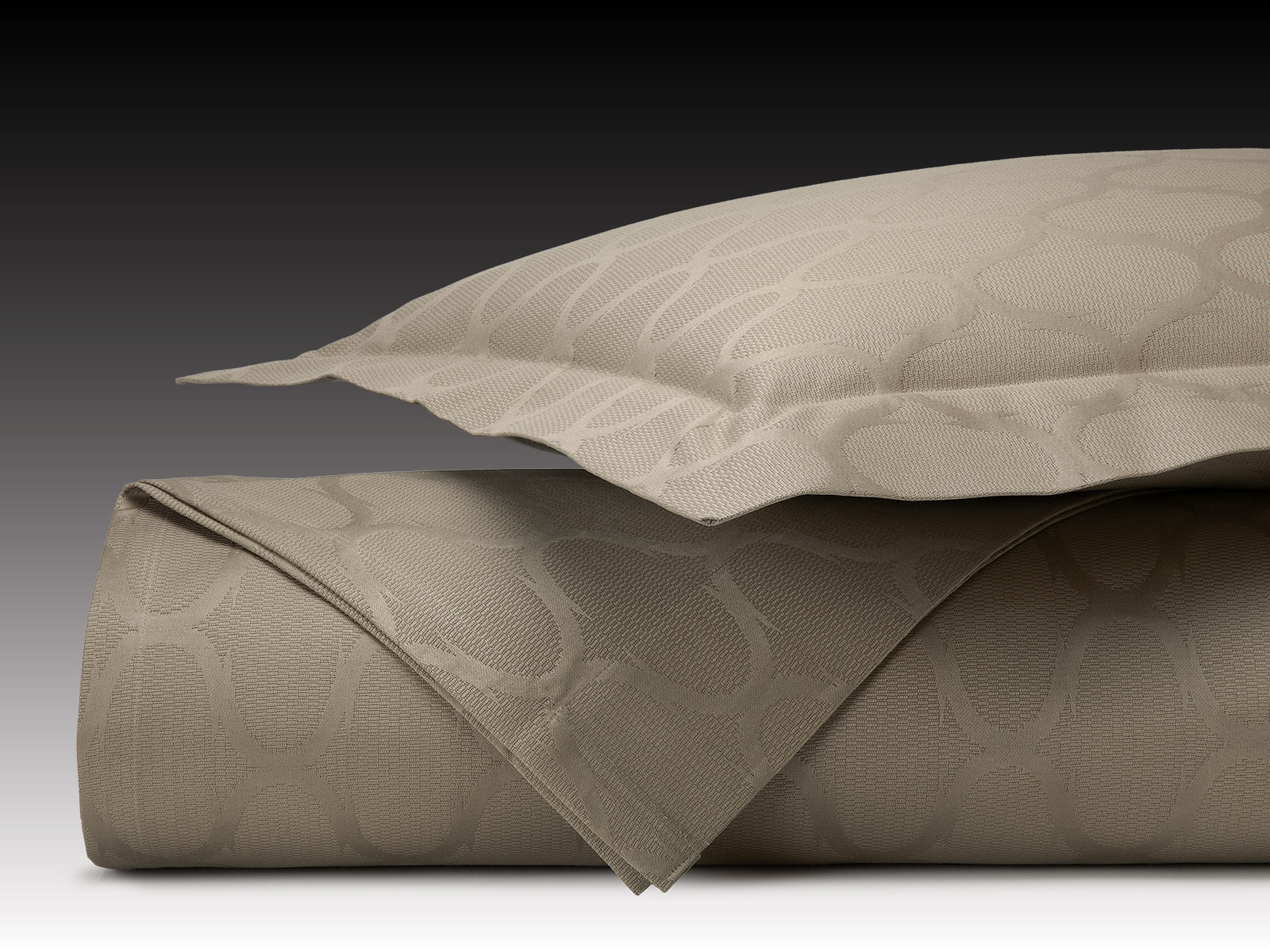
The scale of a pattern. The depth of a hem. The fullness of a duvet. The size of a border. The way a sham sits against the headboard.
None of these details necessarily announces itself. But together, they create something that feels balanced—and our eyes tend to recognize that balance as quality.
Finishing Touches
The closer you look at a truly well-made piece, the more you find.
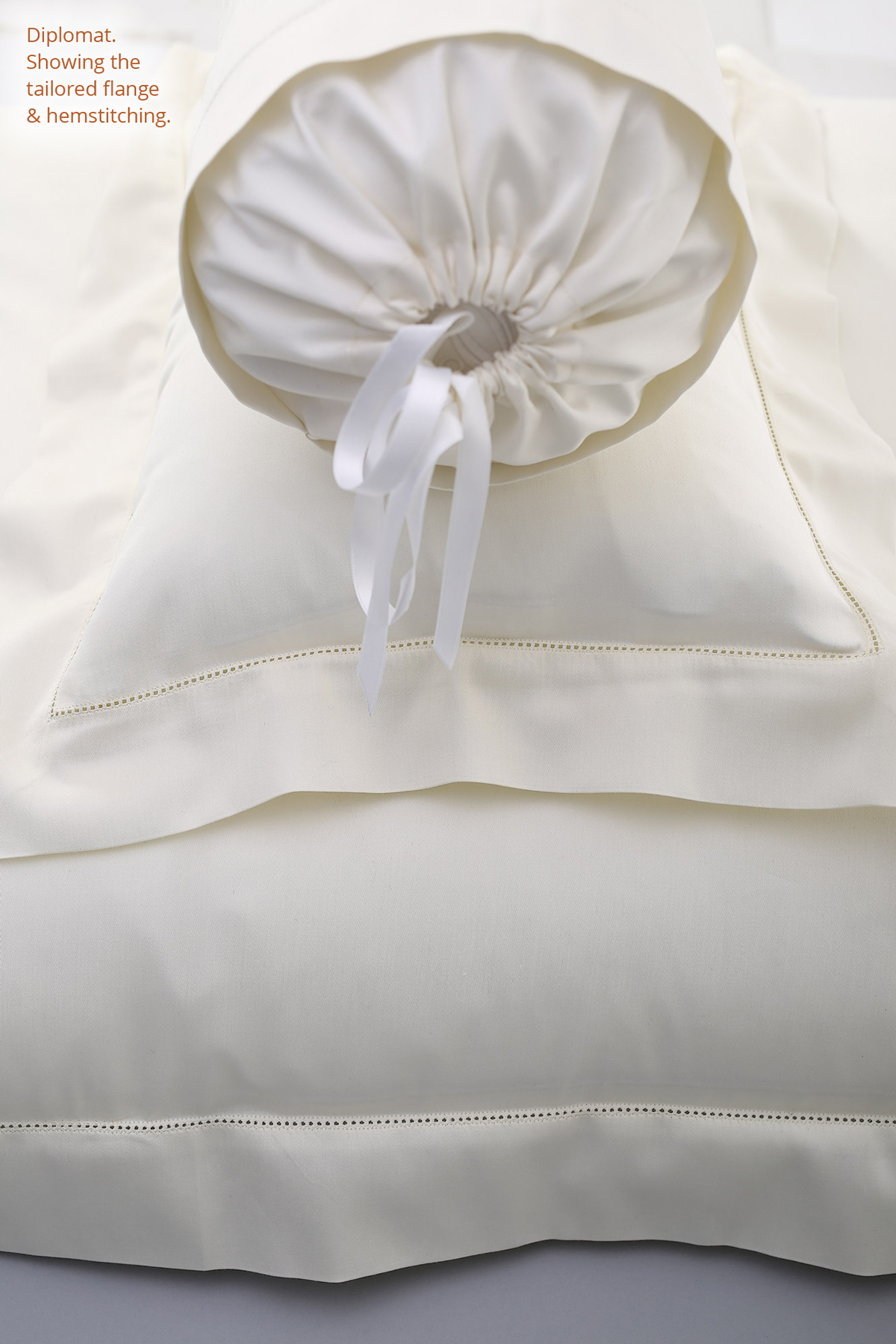
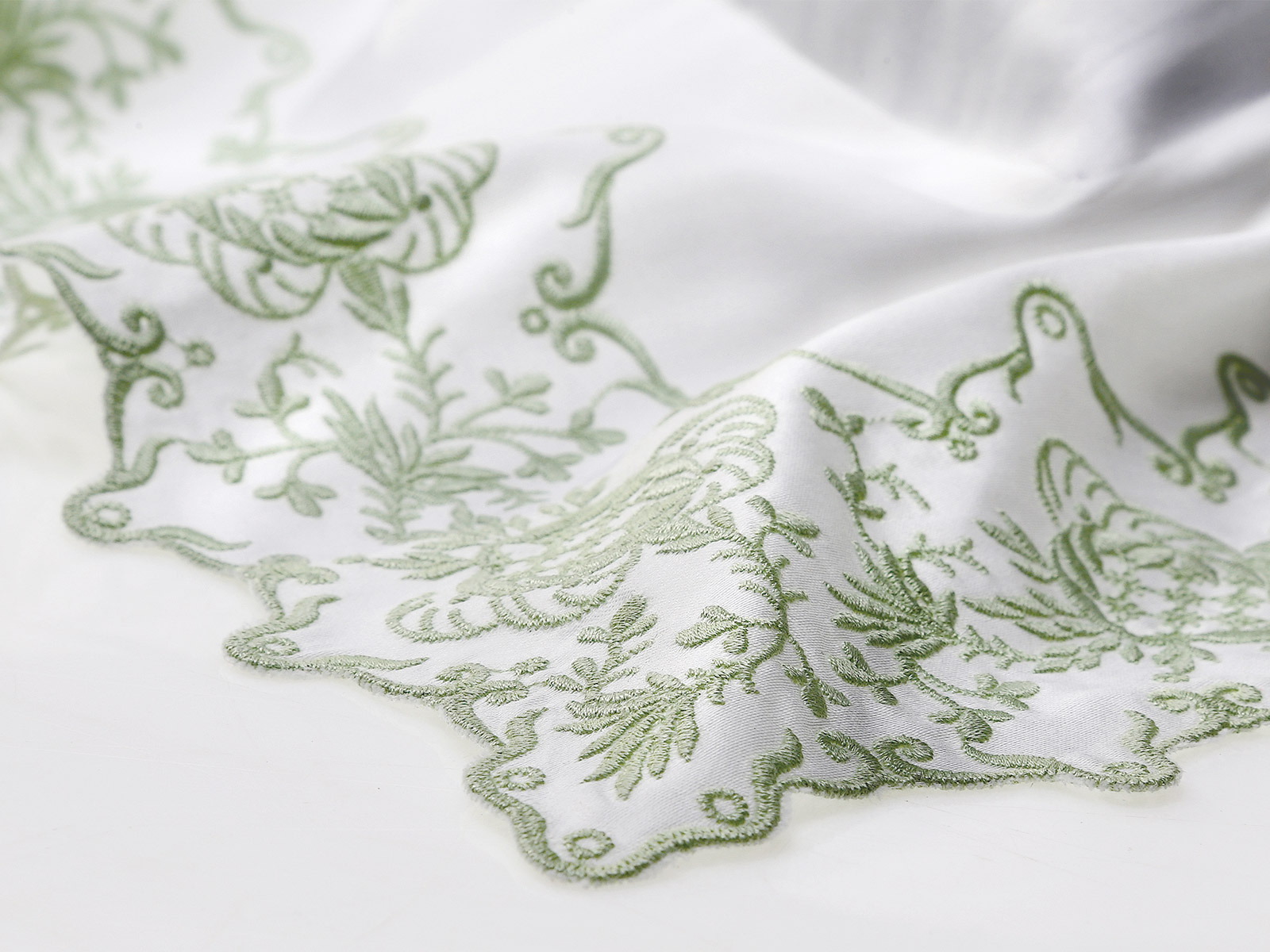
A precise hemstitch. A carefully finished edge. An embroidered motif with definition. A pattern that continues cleanly across the fabric.
These are small things, but they’re also the things that distinguish craftsmanship from decoration.
Knowing When to Stop
Perhaps the most overlooked ingredient is restraint. Luxury doesn’t need to fill every surface or compete for attention. In fact, the most sophisticated spaces often leave room for the materials themselves to stand out.
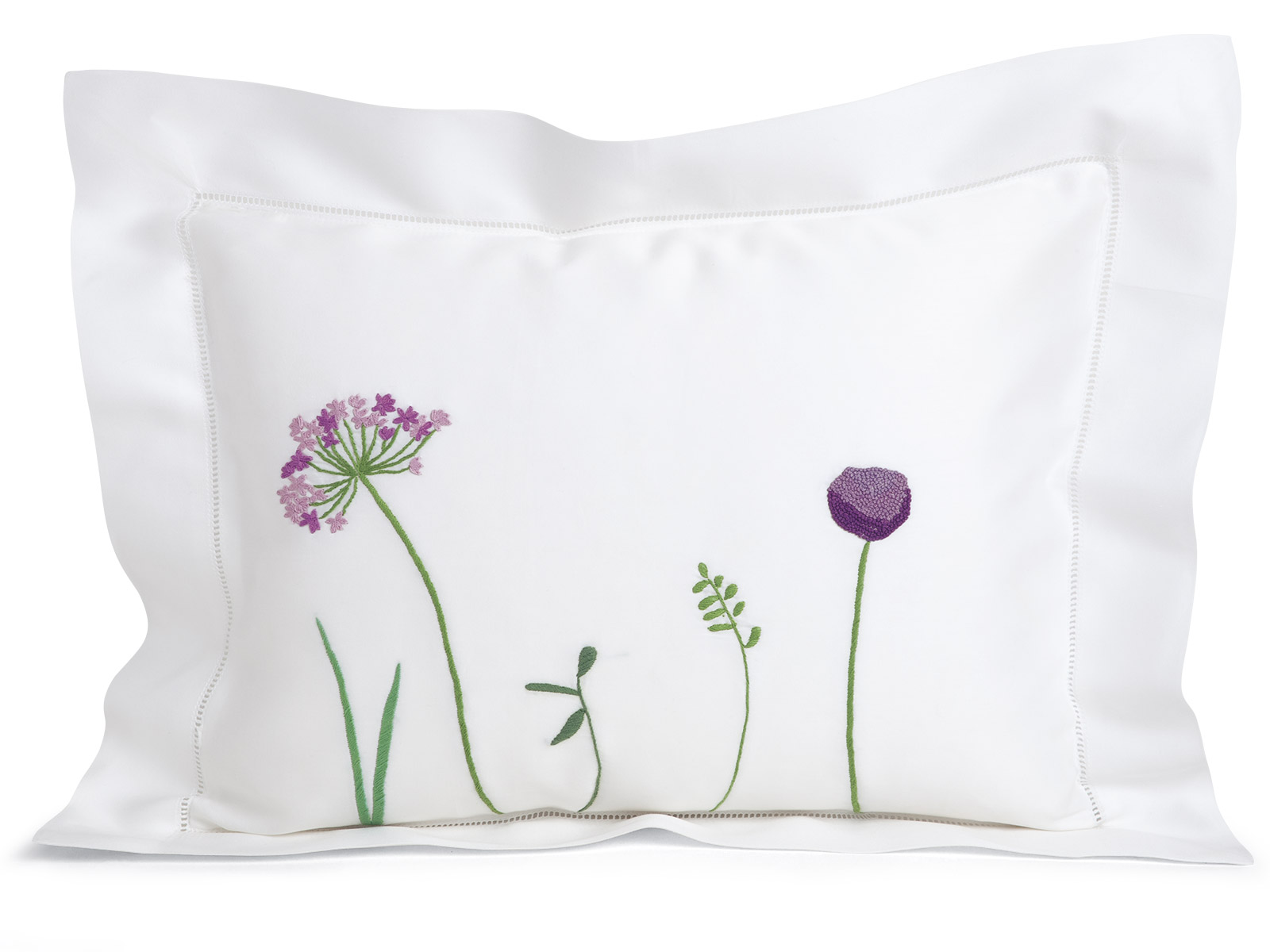
One beautifully embroidered sham can have more impact than a bed covered in competing patterns. A single exceptional throw can change the feeling of a room. A crisp white sheet with an exquisite finish can be more striking than something elaborate. The point isn’t to add more. It’s to choose better.
Craftsmanship You Can’t Fake
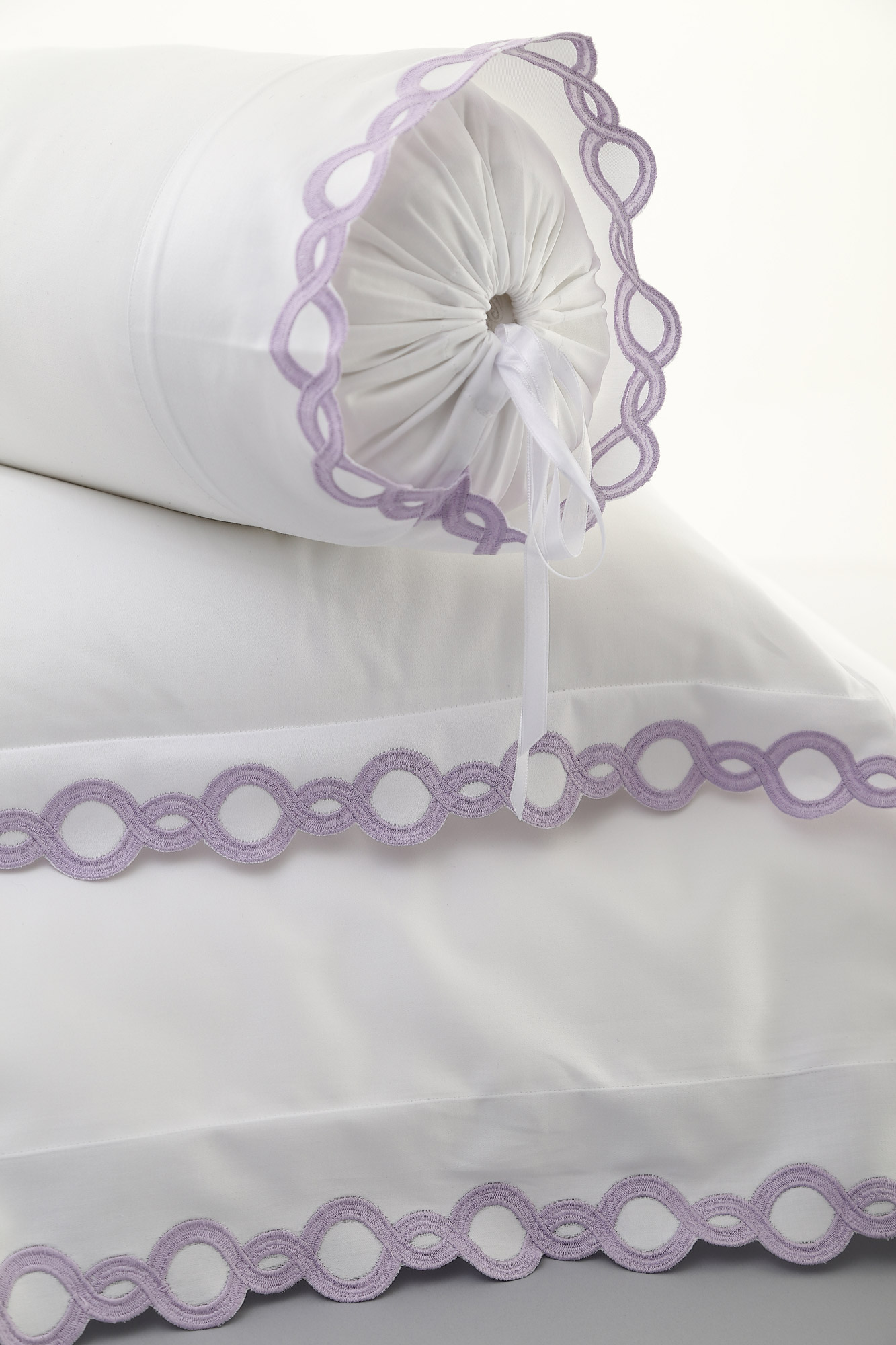
Ultimately, what makes something feel expensive is often what makes it genuinely well made. Quality materials. Thoughtful construction. Skilled finishing. Attention to details most people may never notice.
That’s particularly true with fine linens. You see the difference in the way a fabric falls, feel it in its weight and texture, and discover it in the details as you live with it. The best pieces don’t need to announce their quality. You simply notice that they feel different.
The Price Feeling of Luxury
Price can tell you what something costs. It can’t tell you how something will feel. That comes from the things you see, touch, and experience every day: the weight of the fabric, the precision of the finish, the balance of the design, the quality of the materials.
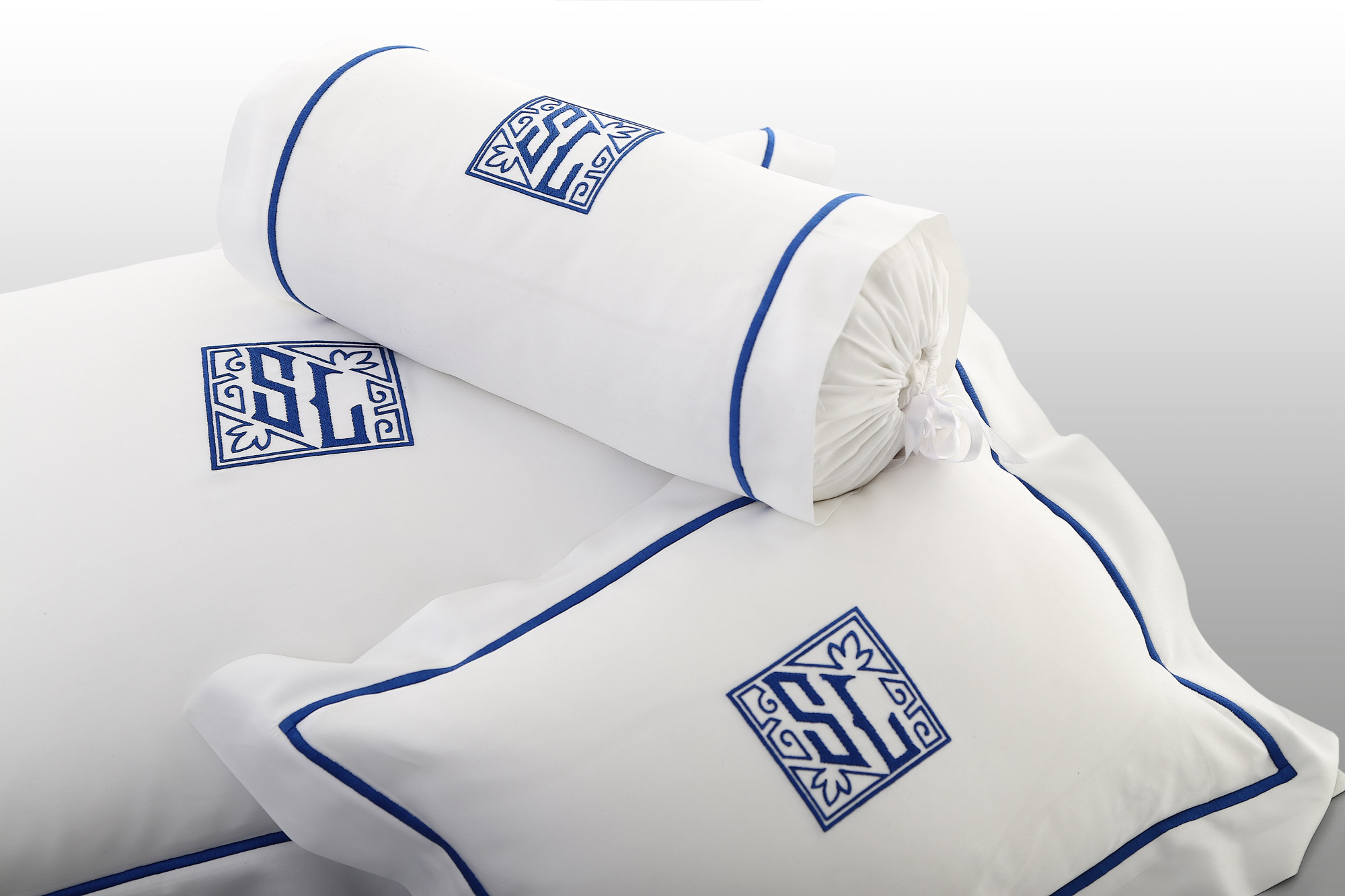 At Schweitzer Linen, those details have always been part of the equation.
Because true luxury isn’t about making something look expensive.
It’s about making it feel exceptional.