

Can Better Bedding Improve Sleep?
You can blame poor sleep on hectic schedules, high stress levels, and too much screen time—but one of the most influential factors may be right beneath the covers.
From selecting materials to the weight of your mattress, research increasingly suggests that bedding plays a meaningful role in both perceived comfort and overall sleep experience. But how much does it truly matter?
Here’s what scientists, physicians, and sleep researchers have discovered.
The Science
Sleep studies have shown that the physical characteristics of bedding can directly influence sleep behavior and quality. One study found that materials and bedding layers had a “remarkable effect” on sleep behaviors—and when optimized, they can improve comfort and even how deeply you sleep.
Soft, comfortable bedding may also help shorten the time it takes to fall asleep while improving perceived sleep satisfaction. Studies consistently show that maintaining a comfortable skin temperature throughout the night helps reduce awakenings and promotes deeper, more restorative sleep.
The takeaway? Comfort is measurable.

Regulated Temperature May Be a Direct Route to Better Sleep
If there is one theme sleep experts consistently return to, it is temperature. Science suggests that certain bedding fibers influence sleep by affecting skin temperature and thermal comfort—both essential for quality rest.
Research into cooling bedding has found that many sleepers report improvements in perceived sleep quality when using temperature-regulated mattress covers.
Comfort perceptions truly matter. Feeling cooler and more relaxed—or warmer and gently cocooned—can shape how restorative sleep feels, and often how restorative it is. The key is finding your personal balance: not too warm, not too cold.
Start with Breathable Natural Fibers
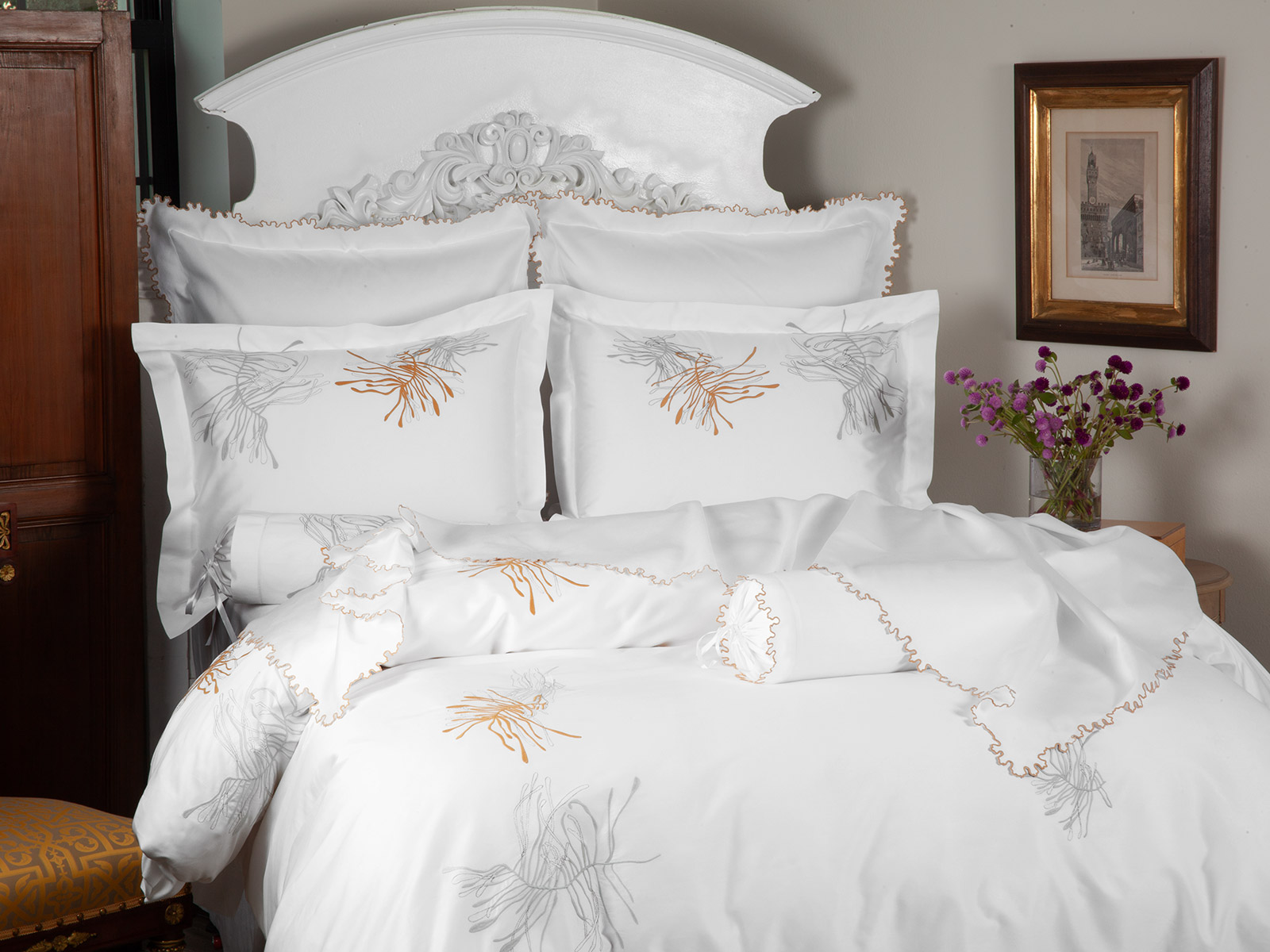
One of the simplest ways to support better sleep is by choosing the right materials. Fabrics such as cotton and linen are naturally soft and breathable, with moisture-wicking and temperature-regulating properties that help you fall asleep—and stay asleep. These fibers promote airflow and reduce overheating, a well-documented obstacle to deep REM sleep.
The proof is in the fibers.
Why New Bedding Makes a Difference
Too often overlooked is the age of your bedding.
Dr. Andrew Weil—a world-renowned physician and pioneer in integrative medicine—has noted that new bedding systems can improve continuous sleep quality, while higher-quality materials are associated with fewer body aches upon waking. Upgrading bedding or mattresses may also help reduce physical stress brought on by poor sleep.
Bedding alone may not resolve every sleep issue, but substantial evidence suggests it can remove common barriers to rest. And sometimes, that is exactly what the body needs.
Design Matters
Any good designer understands that bedding is both functional and sensory.
Thoughtfully designed beds often feature:
Natural, breathable fabrics
Balanced warmth rather than excessive weight
Properly supportive pillows and mattresses
Layers that adapt easily to changing temperatures
Beyond touch and texture, color and style influence how you feel within a space. The goal is to create an environment where both body and mind can rest and restore without distraction. When the right fabrics, tones, and feel come together, this becomes not only achievable—but effortless.

So… Can Better Bedding Improve Sleep?
Most research suggests yes. The right bedding can enhance comfort, regulate temperature, and support a more restful sleep experience.
We spend nearly a third of our lives in bed. Choosing materials designed for breathability, craftsmanship, and longevity is not merely a smart decision—it is an investment in overall wellbeing. Because sometimes great sleep needs to be created—layer by layer.